Free Credits on Mobile: What Each Control Does in Your First Round
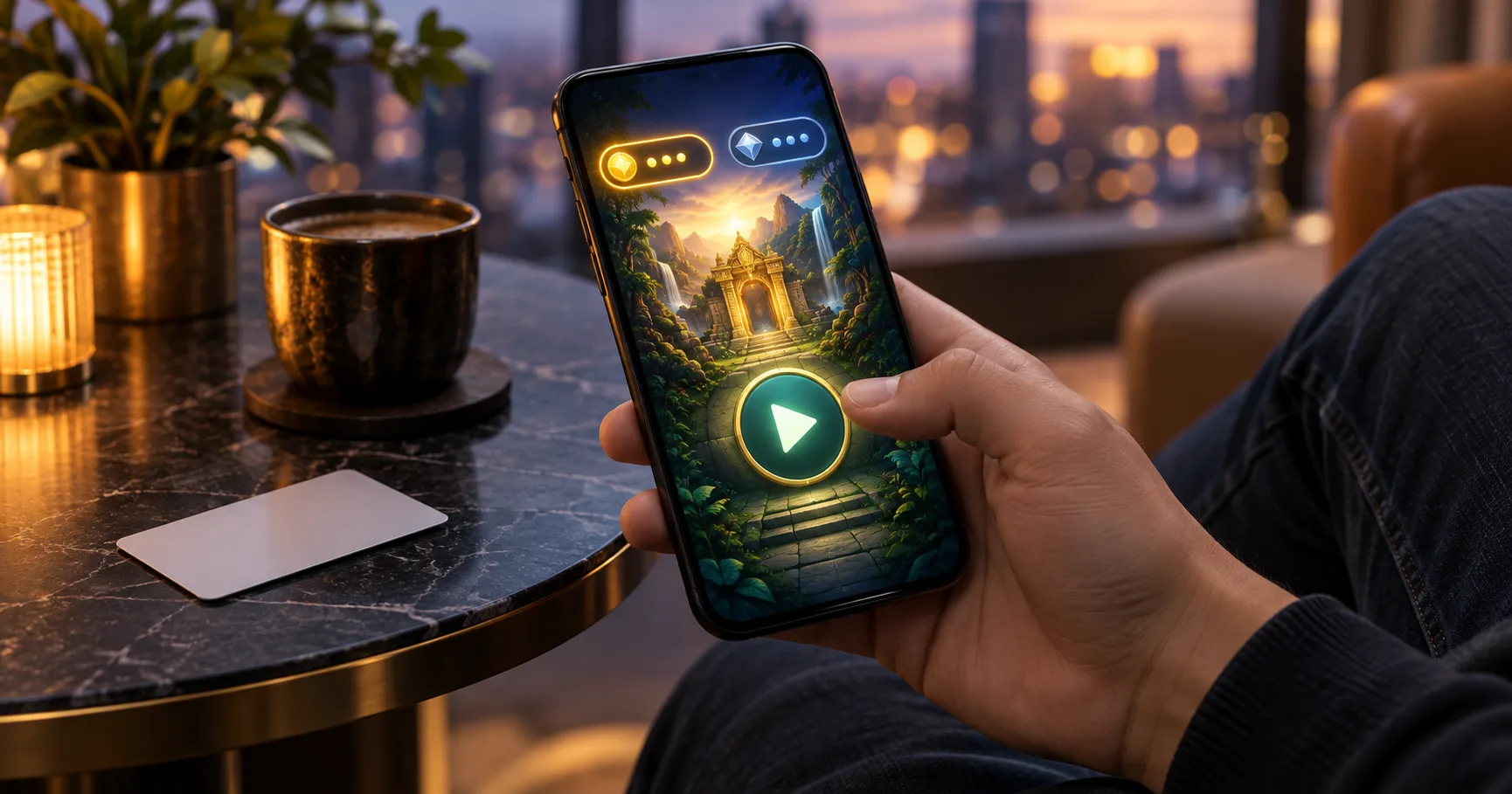
The first thing you may notice on a phone is that your Free Credits balance appears beside another balance. That distinction matters before you tap play. A credit can fund a round without being cash you can withdraw, and a result may return to a different balance under the offer’s rules.
For a player using mobile data between errands, the useful question is immediate: which balance will this tap spend, and what will the screen show when the round ends? This walkthrough uses a hypothetical slot-style round because its controls are easy to follow. Free Credits are a way to fund play, not a game with one universal set of rules.
As of 28 September 2026: treat this as a general screen walkthrough. Check the current offer and game rules before playing, since either may change.
Find the balance that can fund this round
Free Credits may be added automatically or require an activation step. An offer linked to a Promo Code, for example, may have a claim screen. The presence of a code box does not mean every offer needs a code. Read the offer shown in your account rather than assuming that a familiar label describes the same process everywhere.
Before opening a game, identify whether the displayed amount is promotional credit, deposited money or a combined total. A combined figure can hide which funds the next stake will use. The terms for a Bonus may also decide which games count and where any returns appear. Those details determine whether a visible credit can actually start the round you have in mind.
Check that the credit is active in your account, rather than merely advertised on a banner or awaiting a claim.
Check which balance the game will draw from when you press its play control, especially if you also deposited funds.
Check whether the chosen game accepts promotional credit; an amount shown in your account may still be unavailable on that screen.
Check any minimum stake, eligible game restriction and expiry shown in the offer before spending mobile data opening a round.
Check where results from promotional play are recorded, so you can recognise a settled round without mistaking it for withdrawable cash.
An e-wallet cash-in through a channel such as GCash or Maya is a separate action from receiving Free Credits. A payment centre receipt is separate too. Neither proves that promotional credit has been activated or that a specific game accepts it. Keeping those events distinct makes a brief session easier to understand.
Read the game screen before the first tap
On a slot-style screen, the main play button starts a round at the stake currently displayed. A stake control changes the amount spent per round. Other controls may open the paytable, reveal a help panel or enable automatic rounds. Their labels and positions vary, so use the game’s own help screen to confirm what each one does.
The safest moment to inspect the screen is before a round begins. Once the play button has been pressed, a slow connection can make the animation and the account record appear at different times. Learn which parts of the display are controls and which parts merely show the last result.
Use the stake selector to see the cost of one round, and confirm the displayed amount again after changing it.
Use the paytable or information control to read how the selected game defines a winning combination and any special symbols.
Use the play control once to start one round; wait for its result before deciding whether to start another.
Leave automatic play off for a first test unless you understand its stop settings and the number of rounds it will start.
Use the balance and history displays to compare the amount before play with the recorded outcome after the round settles.
A decorative animation is not the account record. The screen may celebrate a result while the balance changes by less than the animation suggests, because the stake was paid first. The history entry, where available, should identify the completed round and its return. If the figures seem inconsistent, pause instead of tapping again to make the screen move.
One hypothetical round, start to finish
Suppose a made-up offer gives a player PHP 100 in Free Credits, and an eligible slot screen shows a PHP 5 stake. These figures are only an example, not terms from a real operator. For this example alone, assume the offer spends promotional credit and returns any result to that same balance.
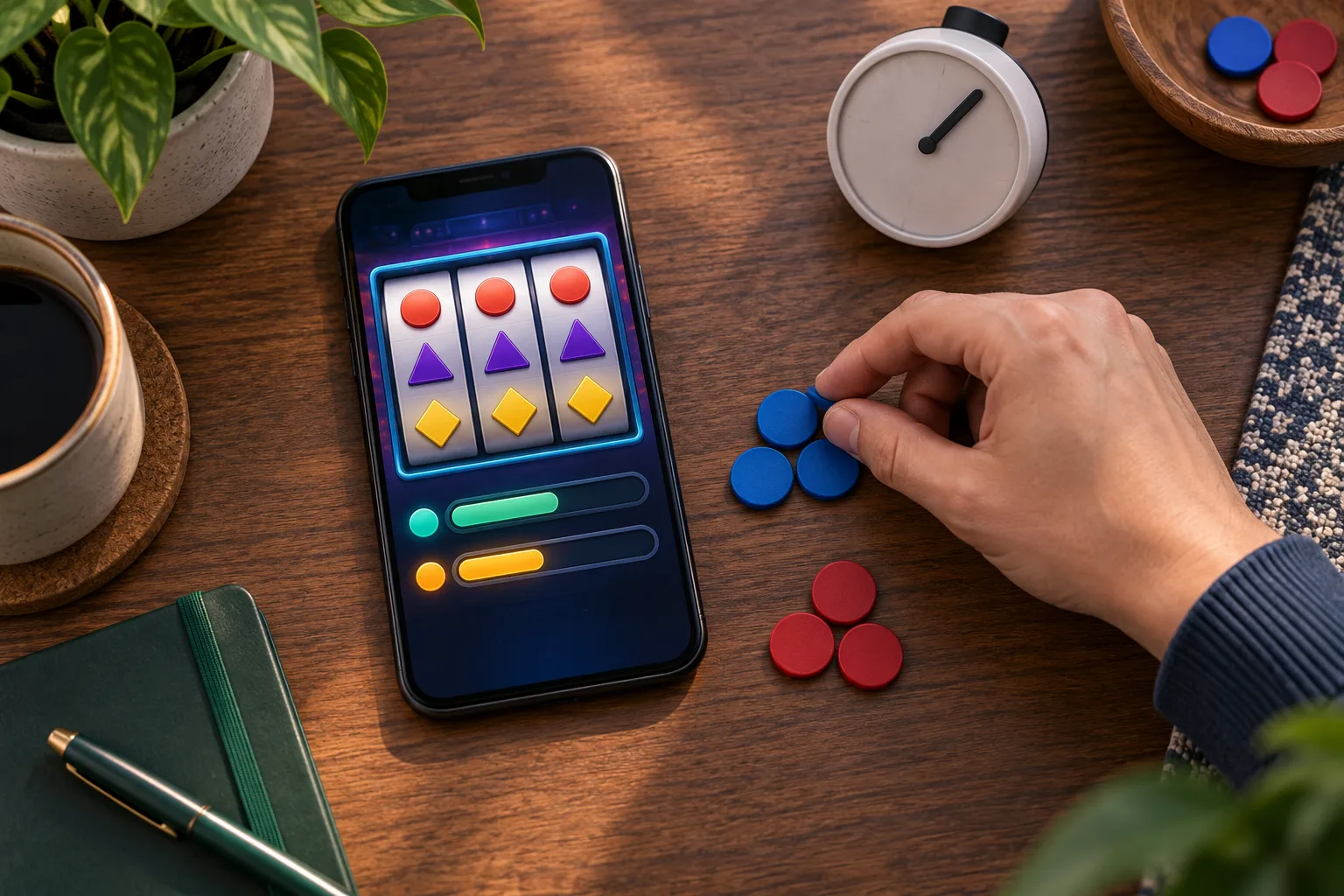
The player has a short break and a stable enough connection to open the game. They do not need to cash in through an e-wallet for this hypothetical round, because the promotional balance is already active. They still need to confirm the game is eligible and the displayed stake is affordable within that balance.
Open the eligible game and confirm that the available promotional balance reads PHP 100 before touching the play control.
Set the stake to PHP 5, then check that the screen still shows one round at that amount.
Tap play once and allow the animation to finish without refreshing the page or pressing the control again.
Read the settled result; in this example, the round returns PHP 8 after the PHP 5 stake was spent.
Check the balance or round history; under the example’s assumed rules, PHP 100 minus PHP 5 plus PHP 8 equals PHP 103.
That PHP 103 is a promotional balance in this example. It is not proof that PHP 103 can be cashed out. A real offer might separate returns, restrict eligible games or require further play before any withdrawal becomes possible. If the round had returned nothing, the same example would leave PHP 95.
One completed round tells you how this particular screen responds to a tap and how its result is recorded. It does not establish a reliable return rate or predict the next round. For short sessions, that limited answer is useful: you can verify one action without turning a quick check into a string of unplanned stakes.
When mobile data interrupts a round
On mobile data, the screen may stop moving while a round is being sent or while its result is returning. That creates an awkward moment: the button may look available even though the first tap reached the game. A second tap can start another round if the connection recovers. Treat a stalled screen as an unknown state until you can check it.
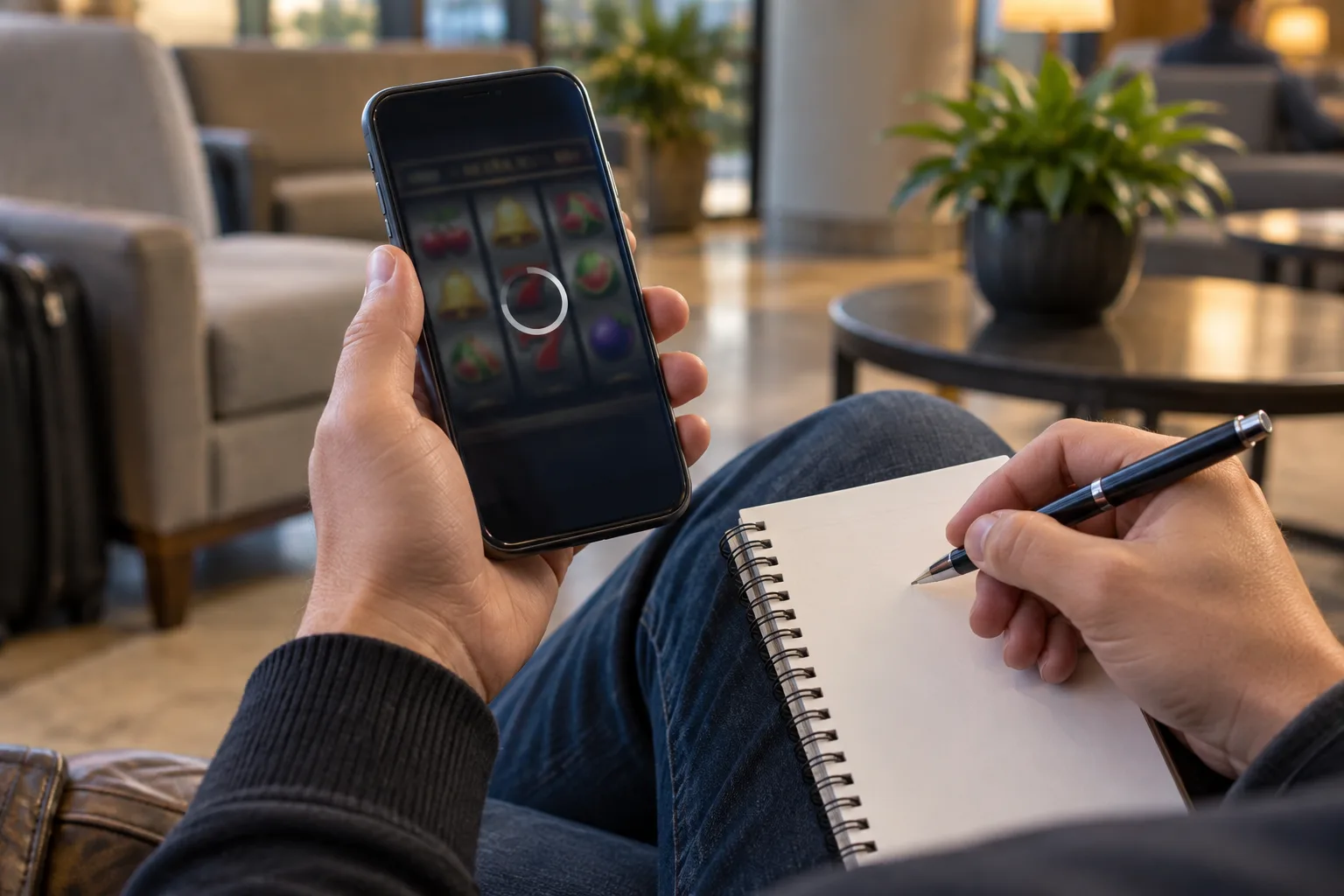
Moving from a jeepney stop into a building, switching networks or taking a call can interrupt the visible animation. The animation may resume, reload or disappear. None of those appearances alone tells you whether the stake was taken. The useful evidence is the account balance together with the game’s round history, if that history is available.
Stop tapping when a loading indicator persists, and give the first action time to return a result.
Check the balance and round history after the connection recovers, looking for one completed round at the expected stake.
Record the approximate time and take a screenshot if the stake changed but no clear result appears.
Contact the site’s support channel with the round details if the account record remains unclear after a fresh view loads.
A cash-in has a different trail. If you recently paid through an e-wallet or payment centre, check its receipt and the account ledger separately from the game round. A payment marked complete by a payment channel does not, by itself, explain whether a promotional round settled. Keeping the two trails apart helps you ask a precise question.
Close a short session at a known state
Before putting the phone away, wait until the current round has ended and the balance is visible. If you have only a few minutes, avoid starting a round as your connection weakens or another task begins. A settled stopping point is easier to recognise when you return later.
Review the offer’s remaining conditions before deciding whether to play again. Free Credits can make an extra round feel costless, but the amount may expire or have rules that change what a result is worth to you. The next tap should follow a decision you can explain: the game is eligible, the stake is known and the previous round is accounted for.
The practical routine is small enough for a mobile break. Confirm the funding balance, read the stake, start one round and verify the record before another tap. If any one of those states is unclear, close the game and return when you have a stable connection and enough time to check it.