Free Fishing Game Practice: When to Play and What to Learn
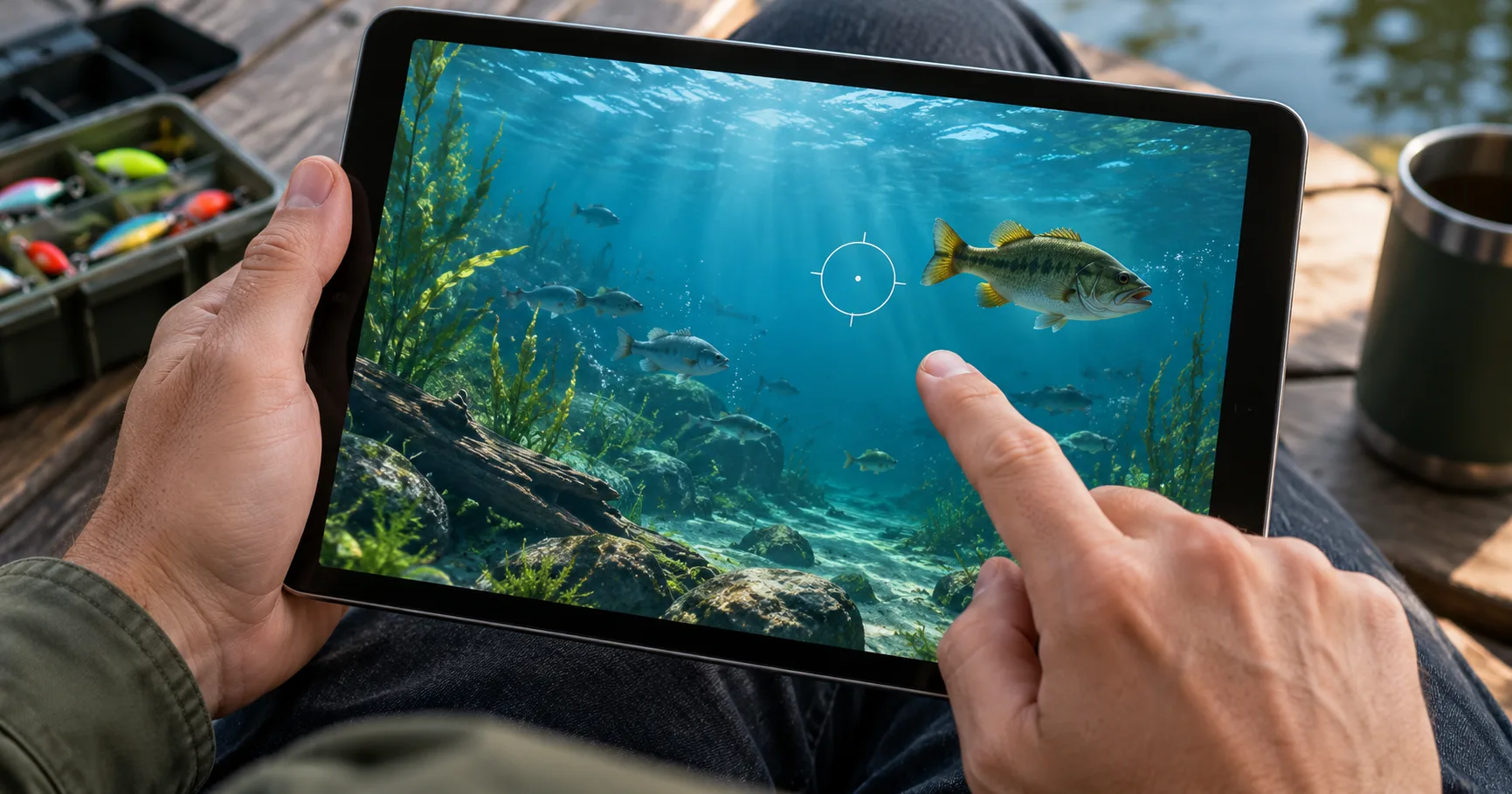
Game Overview
Free fishing game practice is most useful when you enter with a specific question: how does aiming work, what does each shot cost, and when should you stop firing? Treat the session as a way to learn the controls and rules. A busy screen or a large virtual payout does not show that you have found a reliable way to win.
This guide focuses on arcade-style fish shooting games, where you aim at moving underwater targets. Before starting, check whether your chosen title uses that format, a fishing-themed slot, or a fishing simulation. The distinction matters because manual aiming advice has little value in a game where a spin determines the outcome.
Start with the fishing game beginner guide if the controls are unfamiliar. Then use practice mode to answer three practical questions:
- Does pressing or holding the fire button spend virtual credits immediately?
- Can you change shot strength, and does the displayed shot cost change with it?
- Where can you open the rules, target values and feature explanations?
When a Practice Session Makes Sense
Practice before trying an unfamiliar title, after changing devices, or when a feature behaves differently from what you expected. A short session can reveal whether your finger covers targets on a phone, whether aiming feels comfortable, and whether the interface makes spending easy to follow. Those observations are more useful than chasing the largest fish.
Confirm that the mode uses virtual credits and does not deduct money from a cash balance. Check whether access requires an account and whether leaving the demo opens a paid game. Free access should not require you to assume that every button remains inside practice mode.
RTP + Volatility
Return to player, or RTP, describes a theoretical long-run return for a defined game configuration. It is not a prediction for your next session, a promise to return your starting balance, or a measure of aiming accuracy. Look in the game's help or information panel for any published figure and the explanation of what it covers.
For a fish shooting title, check how the rules connect shot cost, target rewards and capture outcomes. Do not assume that every visible hit counts as progress toward a guaranteed capture. Likewise, a fish that has absorbed many shots is not automatically due to pay. The game's documented mechanics determine whether damage, chance or another system governs the result.
Why a Demo Cannot Establish Your Expected Return
A brief run of virtual wins cannot establish RTP or prove that a paid version behaves identically. Check whether the demo identifies the same title, version and settings as the game you are considering. Even where those match, one session remains a limited observation. See understanding fishing game RTP for help interpreting published game information.
Volatility concerns how widely results can fluctuate. In practice, notice whether rewards arrive frequently in small amounts or whether long stretches without a capture interrupt occasional larger returns. That observation can help you judge your comfort with the pace, but it cannot establish a formal volatility rating.
Do not translate an exciting demo into a larger cash budget. If repeated misses make you raise shot strength impulsively, the useful lesson is about your reaction to the game. Pause and reconsider whether this format suits you.
Symbol Guide
Read target values alongside the cost of the selected shot. A large reward label is incomplete information unless you know its unit, the conditions for receiving it and any extra spending required. Use the fish symbols and payout guide to build a habit of checking rules before interpreting an animation.
- Small fish: check their stated reward and capture rules; their size alone does not establish better value.
- Large fish or boss targets: look for special conditions, reward ranges and any feature attached to their appearance.
- Cannon or weapon icons: identify which control changes your shot cost and which merely changes appearance or aiming.
- Special target icons: open the rules to learn whether they trigger an effect, award a feature or require another action.
- Lock-on or auto-fire controls: check whether they keep spending credits while a target moves or after it disappears.
Separate Visual Effects from Actual Rewards
A flash, explosion or dramatic fish animation is not enough to confirm a credited reward. Watch the balance and the game's result display after the action finishes. If several effects overlap, stop firing so you can see which event changed the balance.
Also check whether a displayed multiplier applies to your shot cost, a feature value or another amount. Avoid treating every multiplier as a cash payout. During free fishing game practice, your aim is to understand the calculation well enough to explain it before increasing spending.
Strategy Tips
The strongest purpose of practice is better control over your actions. Learning when to release the fire button, checking costs and ending a session deliberately can reduce avoidable spending. None of these habits guarantees a capture or changes the game's underlying return.
Use a Fixed Virtual Session Budget
Choose a portion of the virtual balance for one exercise and stop when that portion is spent, even if the demo offers unlimited refills. For example, use one portion to learn manual aiming and a separate portion to test a documented feature. Keeping them separate makes it easier to notice how each action consumes credits.
A simple physical reminder can help: place plain counters beside the device and move one aside when each planned practice segment ends. The counters mark your stopping points, not predicted wins. Pair this with the setting a gaming session budget before considering any paid session.
Change One Control at a Time
- Start with a low available shot cost and learn how firing begins and stops.
- Track a target manually without continuously firing, if the controls allow it.
- Test a short burst and watch the balance change before firing again.
- Change one setting, then repeat the exercise to understand its effect on spending.
- End the exercise at your planned limit and record any rule you still need to check.
This routine helps separate interface learning from excitement. Changing shot strength, activating auto-fire and switching targets simultaneously makes it harder to understand what caused the balance to fall. For additional control explanations, visit fishing game controls explained.
Pause When the Target or Connection Changes
Release the fire control when a target leaves your useful aiming area or when you cannot follow the action clearly. If the game becomes unresponsive, stop tapping and check its state before continuing. Repeated taps during a delay make spending harder to track; a smoother connection does not improve the underlying odds.
On a phone, test whether you can see the balance and reach the stop control comfortably. Consult mobile fishing game setup for a practical setup checklist. If the display encourages hurried decisions, a different screen arrangement or ending the session may be more useful than another practice round.
Know When Practice Has Done Its Job
You have learned something useful when you can find the rules, explain the shot cost, identify a credited reward and stop without chasing a missed target. You do not need a winning finish. If frustration leads to repeated refills or rising shot strength, end the session and review responsible play and session limits.
Recommended Platforms
Choose a platform for the clarity of its practice experience. Begin with a game's own demo where available, or a platform that clearly identifies the game provider and separates virtual play from paid play. Judge each option using observable features before creating an account or depositing.
- Clear mode labels: the screen should distinguish virtual credits from a cash balance.
- Accessible rules: shot costs, target rewards and feature conditions should be easy to find.
- Usable controls: stopping fire and leaving the session should be straightforward on your device.
- Visible operator details: look for the registered company name and readable account terms.
- Practical account controls: check the available spending limits, reminders and account closure options.
For players in the Philippines, also check whether registration is available for your location, which age restrictions apply and whether any paid balance is displayed in Philippine pesos or another currency. If you later consider a deposit, read payment fees and withdrawal conditions separately from the game rules.
Use compare free fishing game demos to evaluate those features side by side. A useful platform lets you learn without pressuring you to convert virtual results into a deposit. Choose the experience that makes costs and stopping points easy to understand, and keep practice as an end in itself whenever that suits you.