Promo Code Complaint Timeline: From Error Screen to Final Reply
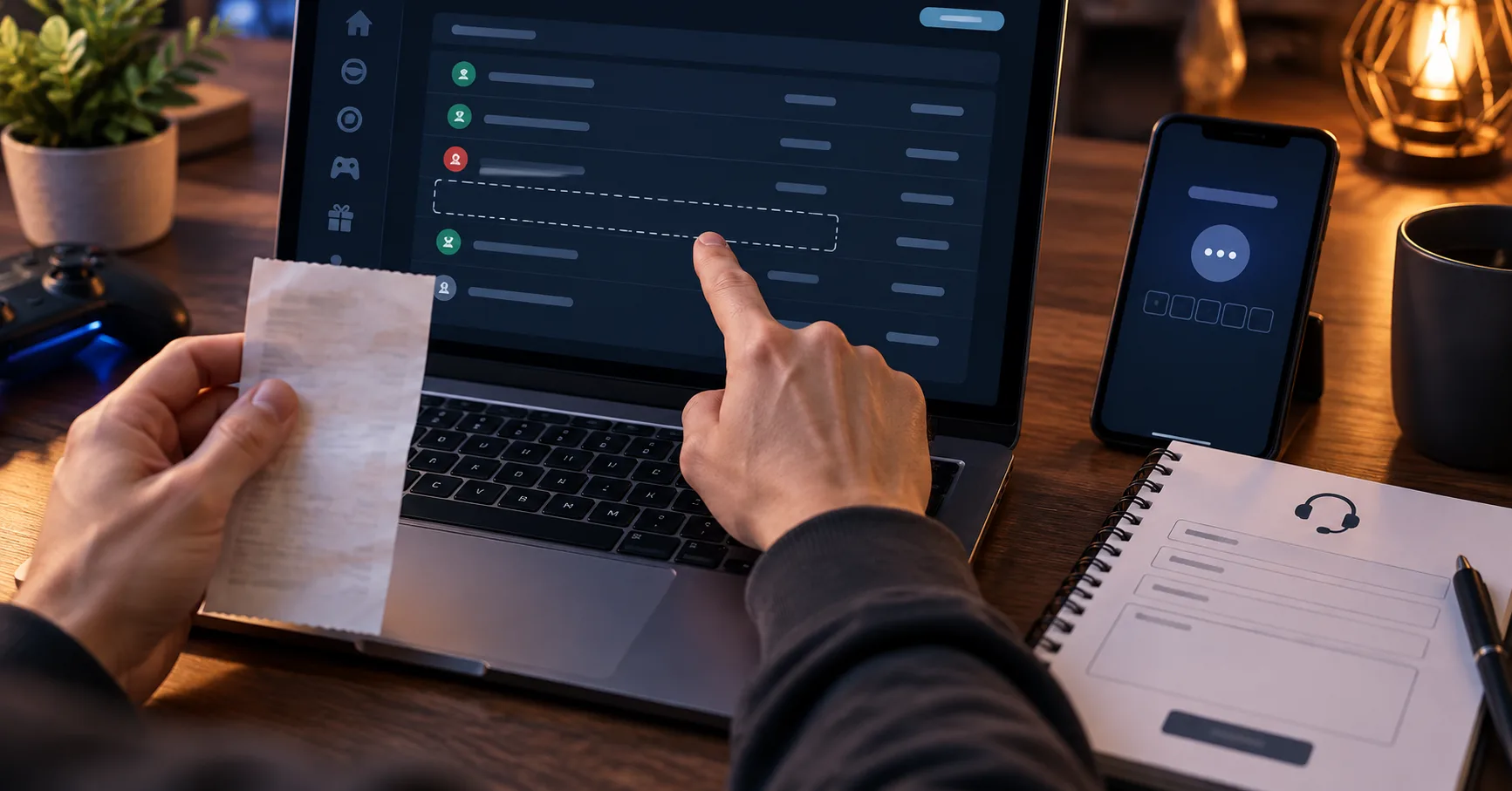
A Promo Code announcement appeared, but your attempted claim did not produce the result you expected. For a first-time player, the useful question is whether the announcement promised an immediate account credit, described a conditional offer, or simply invited eligible people to enter a code. That distinction shapes the evidence you keep and the question you send to support.
The supplied report about Meralco’s proposed electricity refund does not establish a change to Promo Code claims or payment processing, so it is not a basis for advice about this dispute. This briefing follows the claim itself: what the notice says, what your account shows, and what to do when those records disagree.
As of 29 September 2026: A saved announcement may no longer reflect the terms shown in an account today. Use the version visible when you attempted the claim and record when you saw it.
The announcement’s promise has boundaries
A banner may say that a Promo Code is available without saying that every account qualifies. It may give a claim period, require a particular payment method, or say that a reward appears only after another action. Read the complete notice, including any linked terms, before describing the problem as a missing credit. If the announcement leaves a condition unclear, that uncertainty is itself a precise question for support.
Keep three statements separate: what the announcement offered, what you did, and what the account recorded. For example, a notice might describe a code for a qualifying cash-in, while the account history shows a cash-in but no code entry. The payment record alone would not prove that the code was applied. Conversely, an accepted-code screen followed by no corresponding account entry gives support a narrower issue to investigate.
An offer of Free Credits may also use a balance that behaves differently from cash deposited through GCash or Maya. A Bonus may carry conditions that an ordinary deposit does not. Those distinctions matter only if the actual announcement uses them; the words in a promotional image do not replace the full terms.
Build a timeline from the first tap
Start collecting records before refreshing the page, switching from Wi-Fi to mobile data, or trying the code again. A later screenshot can show today’s account state, but it cannot always establish what the screen displayed at the moment of the attempt. Capture the sequence in local Philippine time and keep the original image files when possible.
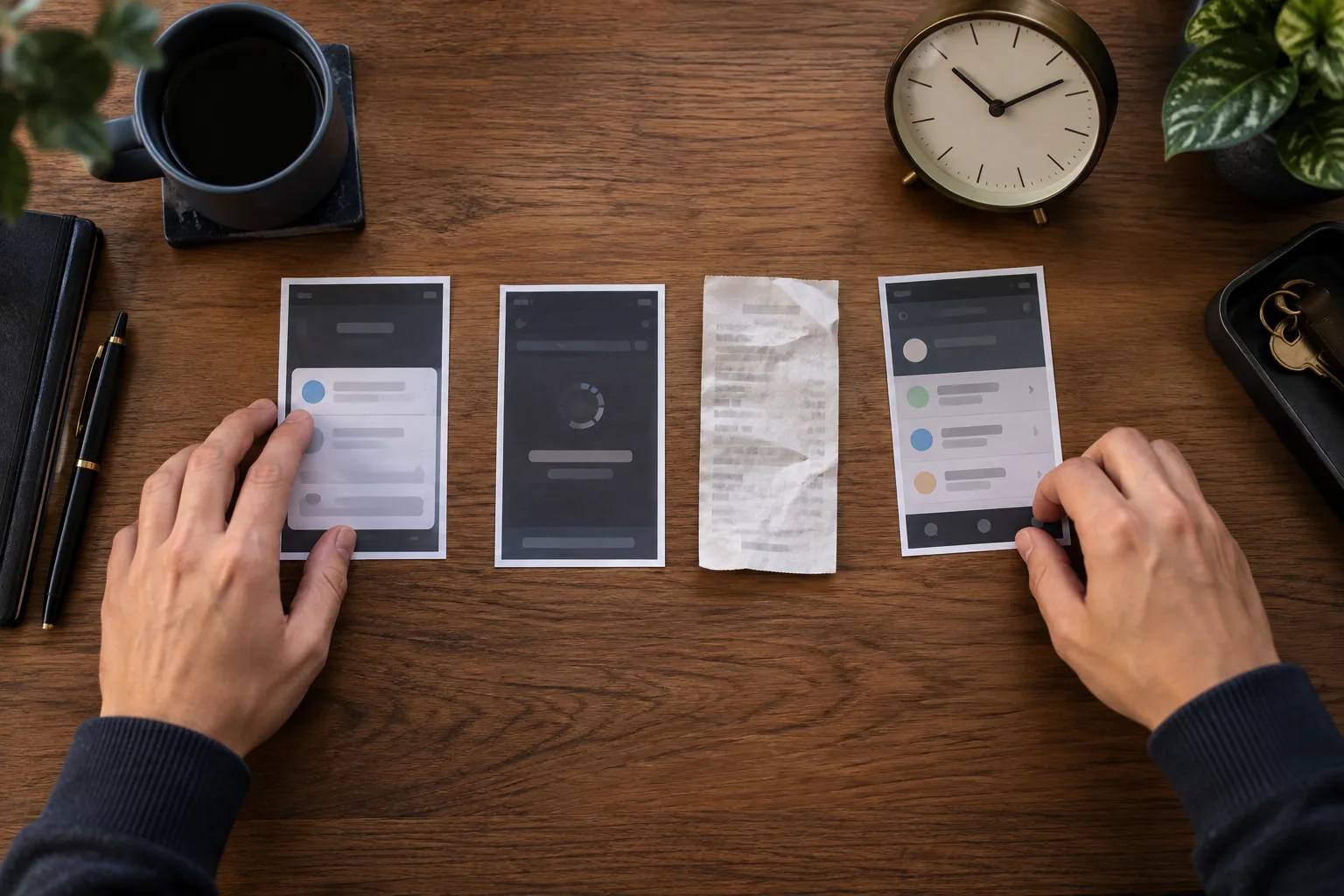
Save the complete announcement with its date, claim window, eligibility wording, and any link to terms visible in the same view.
Record the exact time you entered the code, the page or app screen used, and whether you pressed submit once or more.
Capture the result screen, including an error, loading state, accepted message, or return to the entry form without confirmation.
Keep the relevant account history before and after the attempt, showing the balance or reward entry that you expected to change.
Save the GCash, Maya, bank, or payment-centre receipt if a cash-in was required, including its reference without publishing it publicly.
Suppose a purely hypothetical account starts at PHP 120. At 6:12 p.m., its owner sends PHP 500 through Maya; at 6:14 p.m., the account shows PHP 620; at 6:17 p.m., the owner enters a code. A screenshot at 6:18 p.m. still shows PHP 620. Those four observations establish a useful timeline, but they do not establish that the offer promised an immediate PHP reward. The announcement must answer that part.
Mobile data can drop between a tap and a confirmation screen, especially during a commute or a busy evening session. An uncertain screen is a reason to check account history before submitting again. Repeated entries can make the sequence harder to explain if the code has a single-use condition.
Match the code with the account record
Compare the announcement against the account that actually made the claim. A screenshot from a friend’s account or a social post may show a different version of an offer. The record you need is the one tied to your attempt, with dates and conditions legible. Keep personal identifiers for the private support channel.
Check whether the code characters, capital letters, and spacing match the announcement rather than a copied message or cropped image.
Compare the claim time with the stated opening and closing times, paying attention to whether the notice names a time zone.
Verify that the required action appears in your account history, rather than relying only on a GCash or Maya payment receipt.
Look for a separate reward or promotional balance entry before concluding that the main cash balance should have increased.
Read any stated account, payment, or game restrictions and note the exact clause that may apply to your attempt.
The difference between payment confirmation and account credit is especially important. A GCash receipt can show that money left a wallet, while the gaming account may show that the cash-in has not appeared. In that case, report the payment mismatch as a payment issue and ask support to trace its reference. If the PHP 500 cash-in appears but the Promo Code does not, report the claim separately. Combining both into “my money is missing” could send the case down the wrong path.
Use numbers to test your reading of a notice, not to assume an offer’s actual terms. In a hypothetical example, a 10% promotional credit on a qualifying PHP 500 cash-in would be PHP 50. If the notice also required 20x wagering on that PHP 50 credit, the illustrative turnover would be PHP 1,000. Neither figure describes a real platform’s offer. The point is to locate where the notice says a reward is granted, displayed, or made usable.
Send support a question it can answer
Use the support route shown inside the account or on the site you are using. A reply to a public advertisement, an unsolicited Messenger account, or a phone number in a forwarded screenshot may not reach the team that can inspect the claim. Do not post a wallet receipt, account ID, or one-time password in a public comment.
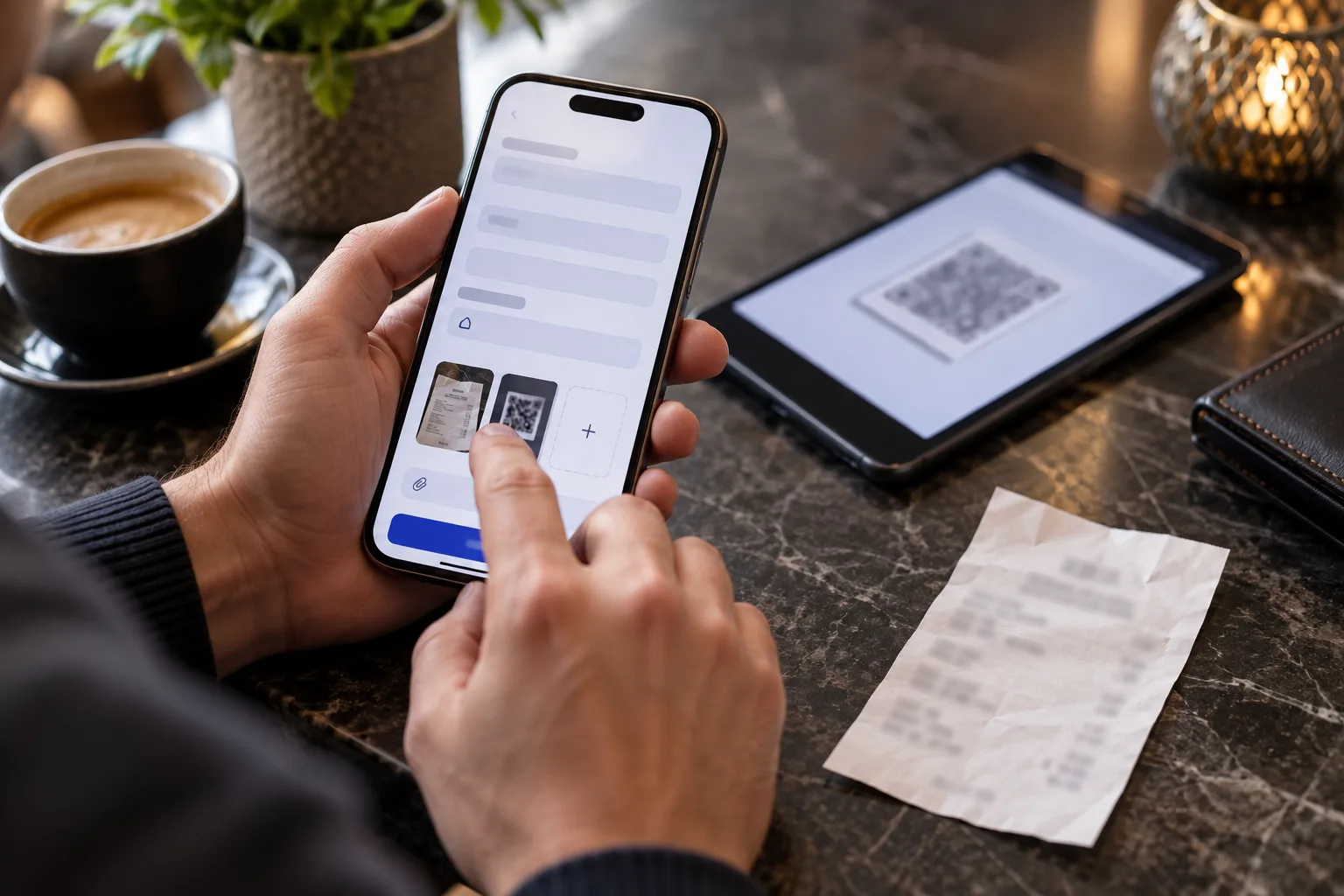
A useful first message is short and chronological: “I entered the Promo Code at 6:17 p.m. on 29 September 2026. My PHP 500 Maya cash-in appears in account history, but I cannot find a code result or promotional balance entry. The notice says the code applies after a qualifying cash-in. Can you confirm whether my attempt was recorded and identify the condition that determined its result?” Attach the announcement, result screen, account history, and payment reference through the private channel.
Provide the account identifier requested by the official support form, but send a password or one-time code to no one.
State one claim time and one payment reference so the reviewer can distinguish this attempt from later deposits or retries.
Ask whether the code submission was received, whether the account qualified, and where an approved reward would appear.
Request the specific term and account record behind a rejection, rather than accepting a general statement that conditions were unmet.
Keep the case number, reply time, and full response so any follow-up continues the same investigation.
If the case concerns a payment-centre cash-in, the receipt may show a time different from the account posting time. Give support both. If you paid near the end of an announced claim window, those two timestamps could determine which condition needs checking. Do not alter a screenshot to make the details easier to read; send an additional close-up while preserving the original.
Interpret the reply before accepting it
Support may confirm that the code was recorded, explain that a stated condition was not met, ask for a missing reference, or say that the account record needs further review. Each answer calls for a different next step. A request for evidence is not a rejection, and a generic acknowledgment is not a decision. Compare the reply with the notice and your timeline.
If support cites a claim deadline, check the time zone in the announcement against your submission timestamp. If it cites an eligible cash-in, compare the payment receipt with the account posting entry. If it says the reward was added, ask which balance or history line contains it and when that entry appeared. These questions turn a broad disagreement into records that can be checked.
For example, imagine the announcement closes at 11:59 p.m., your GCash receipt reads 11:54 p.m., and the account posts the cash-in at 12:03 a.m. That hypothetical four-minute gap could matter if the written condition refers to account posting rather than wallet payment. It does not prove either side’s interpretation. Ask support which timestamp the stated rule uses and retain the full notice alongside its answer.
Close the case with a record you can revisit
When support gives a final answer, save it with the case number, original notice, screenshots, and payment record. If the answer corrects the account, verify the actual entry and its label before treating the matter as resolved. If the answer rejects the claim, check whether it identifies a rule that was available when you acted and applies to your recorded timeline.
A follow-up should point to one unresolved discrepancy, such as a timestamp, a code confirmation, or an account entry that support has not addressed. Repeating the whole story without naming the gap can restart the conversation. During end-of-month payday week, it is tempting to make another cash-in to test the code; wait for a clear answer about the original attempt before committing more money.
The strongest Promo Code complaint is a small, complete record: the notice, the action, the account result, and a specific question. That gives support something concrete to check and gives you a clear basis for deciding whether its reply resolves the issue.