Promo Code Not Working? Read the Notice and Prepare a Support Case
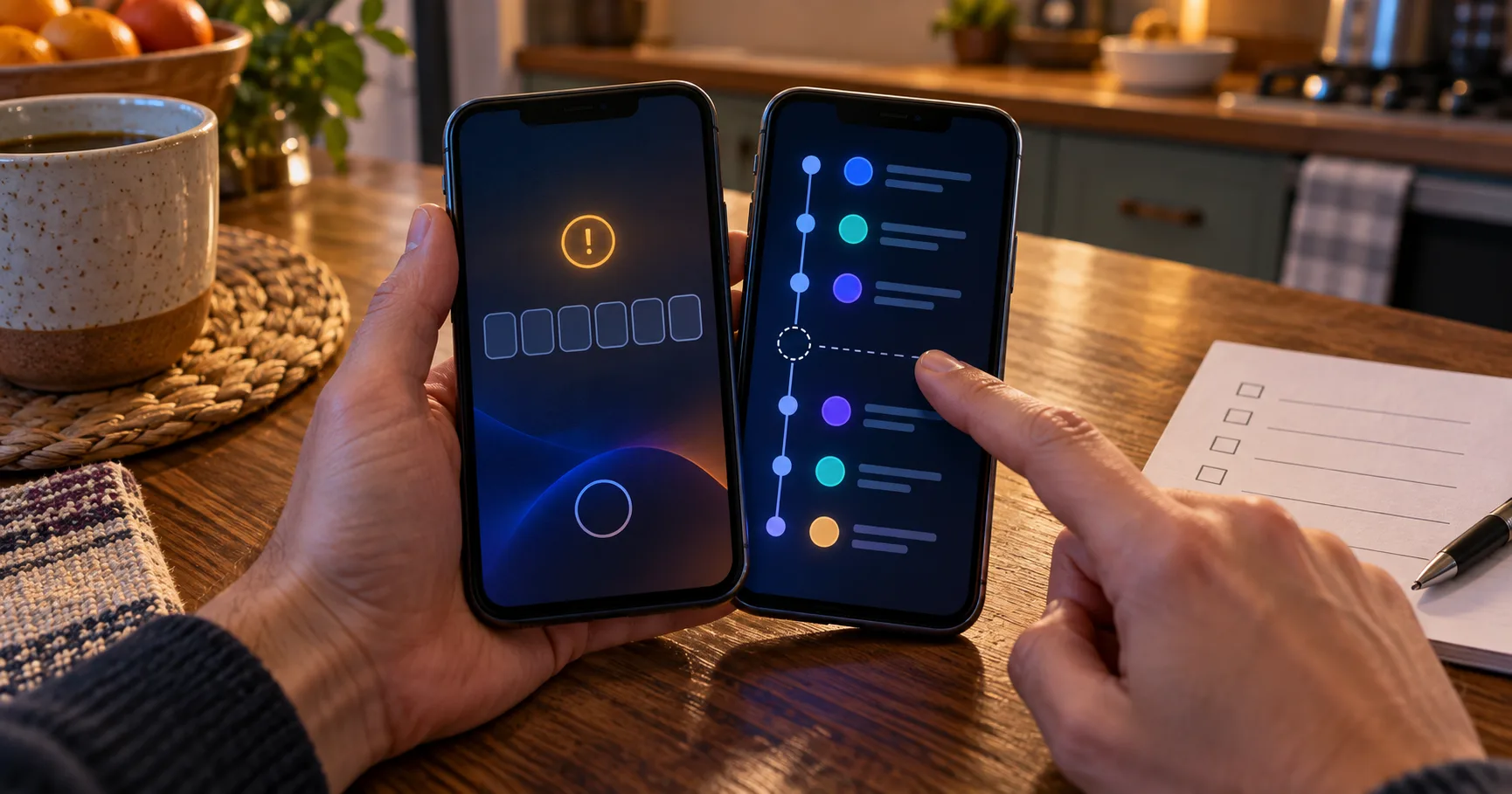
Suppose you entered a Promo Code after seeing an offer announcement, but the expected credit did not appear. For a first-time player, the announcement may look like a promise that the code will work immediately. The useful question is narrower: what did the notice say about eligibility, entry, timing and the kind of credit you should receive? That answer determines whether support needs to investigate a failed entry, a delayed account update or an offer that never applied to your account.
As of 29 September 2026: No operator announcement or offer terms were supplied for this article. Check the live notice for current conditions.
What the announcement can establish
A Promo Code notice can tell you that an offer exists and explain how to request it. It does not, by itself, prove that every account qualifies or that a credit has already been added. Read the full notice, including any linked terms, before treating its headline as the final rule. If the notice gives a start or end time, check which time zone it uses. A code entered around midnight in the Philippines can fall on a different date if the offer uses another time zone.
Look closely at the promised result. A code might unlock a Bonus, add a separate promotional balance or simply register participation for a later review. Those outcomes would appear differently in an account history. A notice about Free Credits is especially worth reading carefully: the word “free” does not tell you whether the credit is withdrawable, restricted to particular games or subject to conditions. Only the actual terms can settle those questions.
If the announcement appears in a social post or message, find the corresponding notice inside the service before entering the code. Keep the original post as evidence, but use the service’s stated terms to frame your question. A cropped image may omit the date, eligible users or a condition below the fold.
Where the failure may have occurred
A missing credit is not always a failed Promo Code. The code may have been rejected at entry, accepted without an immediate balance change or applied to a different balance from the one you checked. Those are different support cases. Before sending a message, identify the last point you can confirm from your own screen.
For example, imagine you cash in PHP 500 through GCash or Maya, then enter a code on mobile data. If the PHP 500 appears in your cash balance but no promotion appears, the cash-in and code entry should be reported as separate events. If neither appears, the payment record matters first. A payment centre receipt serves the same purpose when you paid in person. It can show that you made a payment; it cannot prove that a Promo Code qualified.
Connectivity can also confuse the sequence. A phone may show a loading indicator after you tap submit, then return to the page without a clear result. Repeated taps can create more than one attempt and make the account history harder to read. Stop, refresh once when the connection is stable, and check whether the code or promotional credit appears before trying again.
Capture the record while it is available
Keep evidence that lets support match your claim to a particular notice, account and attempt. The strongest record shows what was offered, what you did and what the account displayed afterward. Screenshots should include dates and status where available, while leaving passwords and one-time codes out of anything you send.
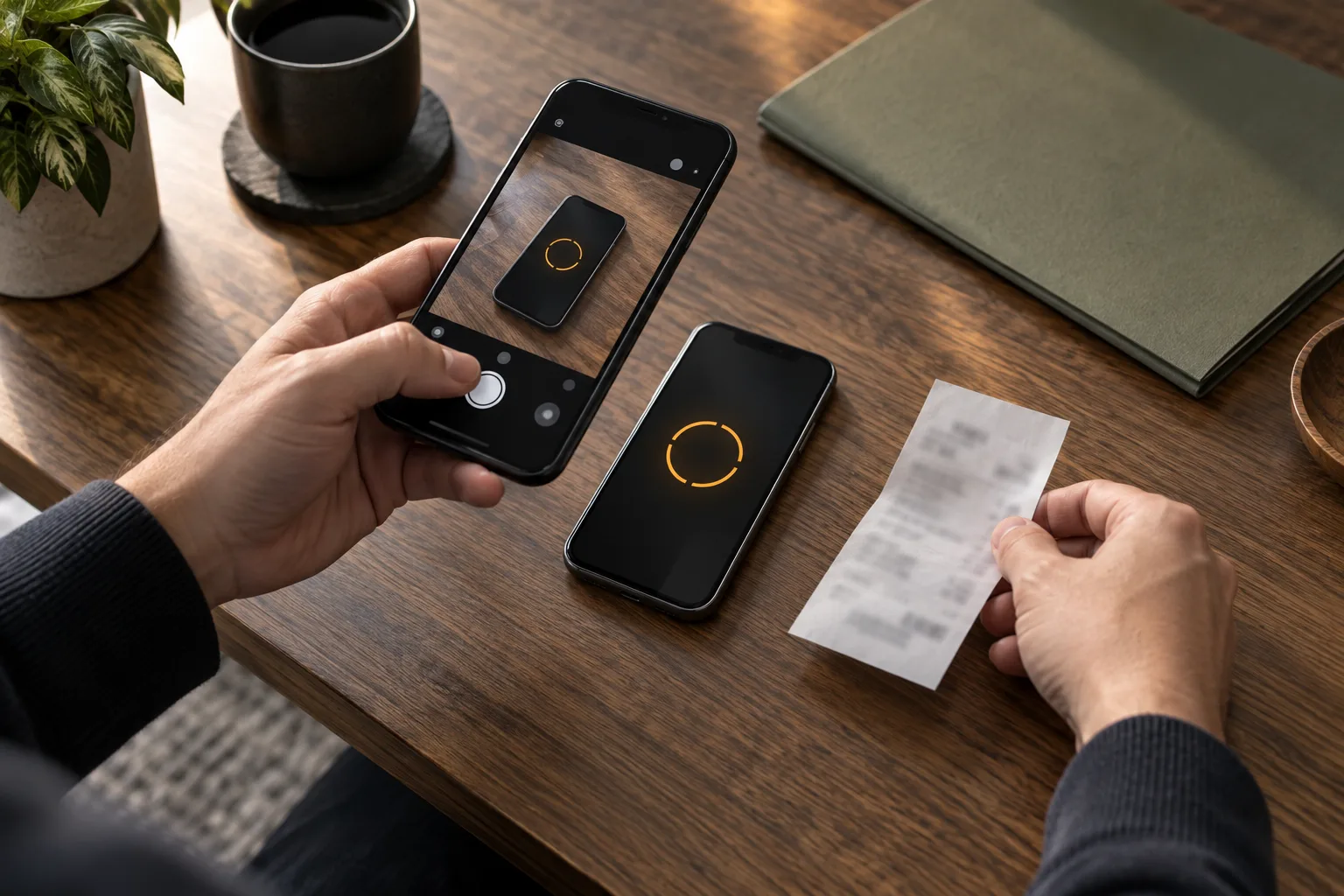
Save the complete Promo Code announcement and linked terms, including its publication date, stated eligibility and any visible expiry time.
Record the code-entry result, whether it says accepted, rejected, pending or nothing, and note the Philippine time of your attempt.
Capture the relevant account history and balance before further play changes the figures you want support to investigate.
Keep the GCash, Maya or payment centre receipt if the offer required a cash-in, including its transaction reference.
Write down your device, browser and connection type if the page stalled, especially when switching between Wi-Fi and mobile data.
A receipt and an account screenshot answer different questions. One records money sent through a payment channel; the other records what the gaming account displayed. If a cash-in was part of the offer, support may need both to locate the transaction. Send only the details needed to trace it, and cover unrelated balances or personal information in a wider wallet screenshot.
Give support a question it can investigate
Use the support route shown inside the service or on its official site. An announcement’s comment section is a poor place for account details, and an unsolicited direct message may not reach the team that can view your records. If a chat is available, save the conversation and its case reference. If you use email or a form, keep a copy of your submission.
State the exact Promo Code and the notice date, then describe the result you expected without claiming terms the notice never gave.
Give the attempt time in Philippine time and identify whether the entry showed accepted, rejected, pending or no response.
Attach the notice, account history and payment reference that relate to the same attempt, with sensitive information covered.
Ask support to confirm the applicable term, the recorded entry status and where any qualifying credit should appear.
A concise question is easier to answer than “Where is my money?” Consider this hypothetical wording: “I entered the code at 8:15 p.m. Philippine time after a PHP 500 GCash cash-in. The page showed a loading indicator, and I cannot find a promotion entry. Can you confirm whether the code was recorded and which condition applies?” The time and amount are examples, not terms of a real offer. Replace them with your own records.
Do not send a password, one-time password or full wallet credentials to resolve a code dispute. Those details do not establish eligibility. A transaction reference, account identifier and dated screenshots give support a more useful trail.
Read the reply against the original notice
Support may confirm that the code was never recorded, that the account did not meet a stated condition or that a credit was posted to a balance you had not checked. It may also ask for another record. Compare each answer with the announcement and your account history. A statement such as “not eligible” needs the specific condition and the account event used to apply it.

Some offers include wagering conditions. To understand the size of a condition, take a purely hypothetical example: a PHP 500 promotional credit with a 20x wagering requirement would imply PHP 10,000 in qualifying stakes if the rule applies to that credit alone. The notice must define the actual calculation, eligible games and any expiry. This example is arithmetic, not a claim about any operator’s offer. It also does not explain a code that was never accepted.
If support says the code expired, compare the stated deadline, time zone and your recorded attempt time.
If support says the account was ineligible, ask which published condition applied and when the relevant account status was checked.
If support says the credit posted, request its account-history entry and confirm which balance received it.
If support says the cash-in is missing, provide the payment reference and ask for a separate payment trace.
A reply that identifies an entry and a rule gives you something testable. A reply that repeats the announcement’s headline does not resolve a mismatch between the account record and the stated condition. Keep the case in one thread where possible, so later reviewers can see the earlier screenshots and answers.
When the explanation still does not fit
If the response conflicts with the saved notice, point to the exact condition and the account event it appears to contradict. Ask for a second review through the service’s stated escalation route, and include the existing case reference. Explain the remaining gap in one or two sentences. For example, the issue may be that support used an expiry time different from the one displayed in the notice you saved.
Keep your own timeline while the case is open. Record when you entered the code, when you contacted support, each reply and any later change to the account history. During payday week or an evening mobile session, it is easy to make another cash-in or start playing before a delayed entry becomes visible. A timeline helps you distinguish the original attempt from later activity.
A fair resolution depends on the published terms and the service’s recorded events. It might be an explanation of a valid rejection, a correction to the account record or a request for more evidence. Do not assume a specific outcome from a promotional headline alone. Close the case when the explanation matches both the notice and the account history, or when you have a clear written decision to assess further.