Promo Code Bankroll Planning for Longer Weekend Sessions in the Philippines
You have settled in for a longer weekend session, and a promo code is waiting beside the deposit screen. Before you enter it, decide how much of your own money can go into this session. That number should still make sense if the promotion adds nothing you can withdraw immediately.
For a player who logs in a few times each week, the biggest budget mistake is often small and repeated. One extra e-wallet transfer after a losing run can turn a planned evening into an expensive weekend. A cash limit, a modest round stake, and a stop rule give each session a clear edge. You can set all three before opening a game.
Who needs a session plan?
A weekend player who stays for an hour or two faces many more stake decisions than someone making a single occasional round. Even a small bet becomes substantial when it is repeated. The plan matters most if you tend to top up between games, increase stakes after losses, or keep playing because a promotion is still active.
A player who has already set aside a fixed entertainment amount and ends each session at that limit may need little adjustment. A promo code does not require a larger deposit by itself. It is simply another condition to weigh against the amount you were comfortable spending before you saw the offer.
Keep rent, bills, transport, and holiday spending outside the gambling budget. During the Christmas season build-up, money reserved for gifts or travel can look temporarily available in an e-wallet. It still has a job. If losing the proposed session amount would affect that job, reduce the amount or skip the session.
Divide the weekend cash before dividing the rounds
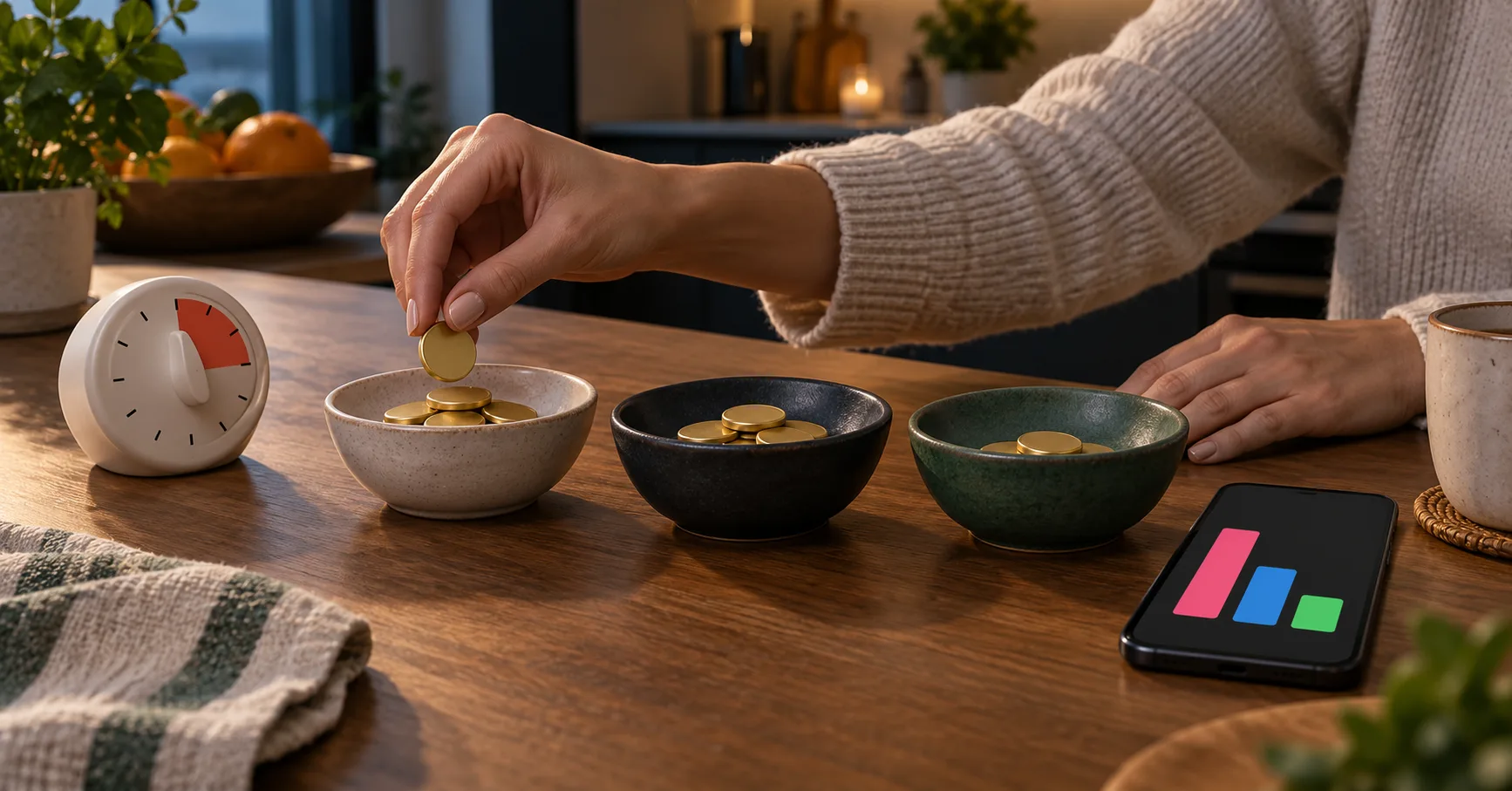
Start with money you can afford to lose across the whole weekend, not the largest balance visible in your payment app. Then assign an amount to each planned session. This prevents a long Friday evening from quietly consuming what you intended to use on Sunday.
Say your entertainment limit is PHP 1,500 and you expect to play three times. A simple starting allocation is PHP 500 per session. The amounts need not be equal, but their total must stay within PHP 1,500. If you spend only PHP 350 on Friday, you can keep the remaining PHP 150 out of play rather than treating it as a reason to extend Saturday.
- Choose the total cash you can lose this weekend after accounting for bills, transport, food, and any other planned spending.
- Write down the sessions you actually expect to play, including a late evening that might run longer than usual.
- Assign a cash ceiling to each session, and keep the combined ceilings within your original weekend amount.
- Decide whether unused cash stays outside play or carries forward; make that choice before a win or loss influences it.
- Transfer only the amount planned for the current session, and avoid storing a second top-up in the payment flow.
Payment centres and e-wallets make a top-up convenient, which is useful until convenience hides the extra spend. Check your transaction history against the session ceiling, especially if you have made several small transfers. The cashier balance alone may include winnings or promotional funds, so it cannot always tell you how much of your own cash you added.
Put a peso ceiling on each round
Once the session amount is fixed, choose a round stake that leaves room for ordinary losing stretches. For a PHP 500 session, PHP 5 per round is 1% of that starting cash. At PHP 10, each round uses 2%. That difference can feel minor on one tap and large after a long sequence.
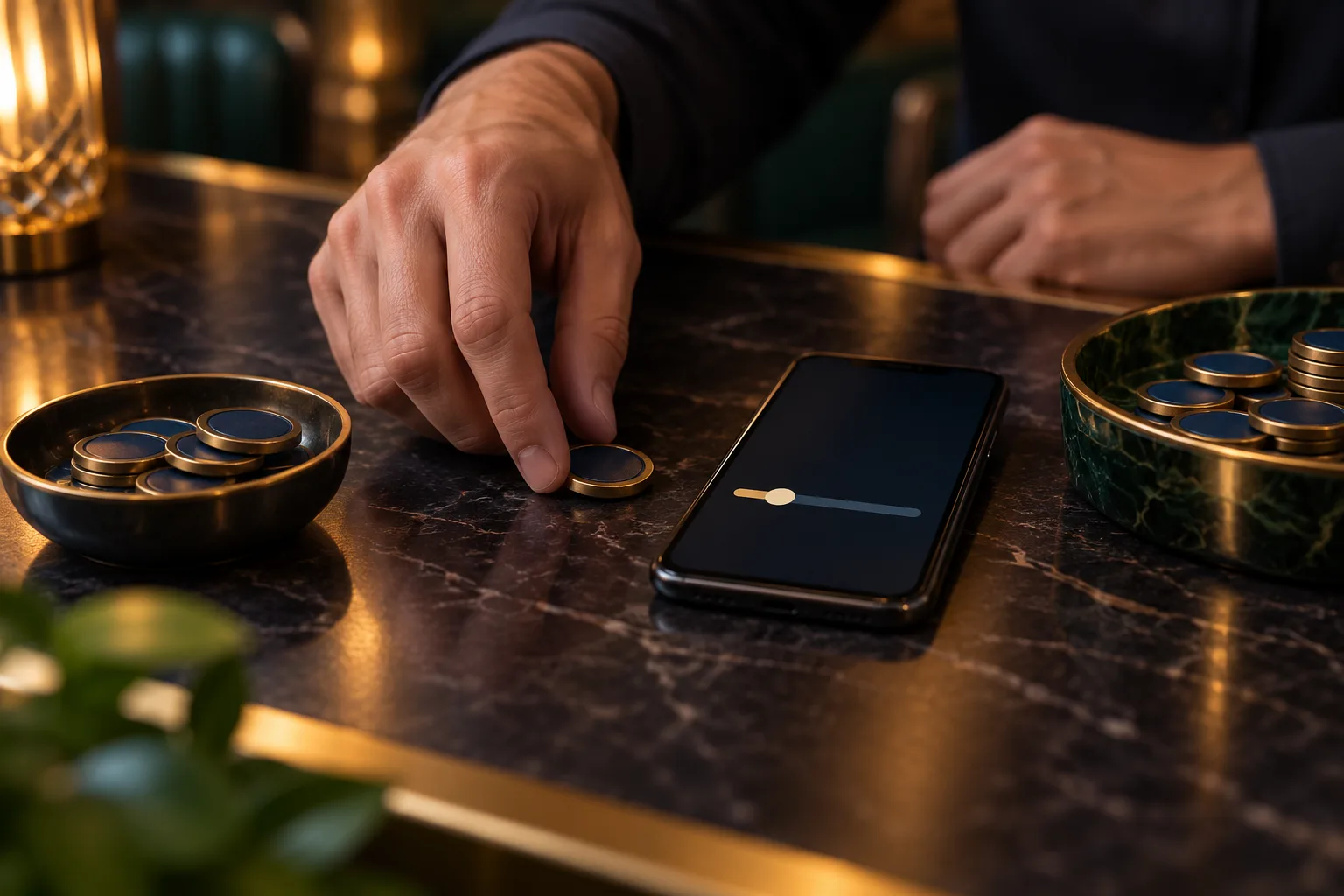
A low stake does not guarantee a long session. Results vary, and wins can fund more rounds while losses shorten play. The stake is a control over how quickly money can leave on each decision. Choose it before you see the first result, then leave it unchanged when you are frustrated or excited.
Some games have a minimum stake above the amount you planned. In that case, look for a game or round size that fits the budget, or play fewer rounds within the same cash ceiling. Raising the deposit just to meet a minimum stake changes the plan. A Wheel round, for example, belongs in this calculation only if its selectable stake fits your limit.
If a game lets you add side bets, extra lines, or multiple shots, count the full amount committed to one decision. A PHP 5 base stake with another PHP 5 added is a PHP 10 round for budgeting purposes. Check the amount on the confirmation screen before each change, particularly on a small phone display.
Work through one longer evening
Imagine a player begins Saturday with PHP 500 of their own cash, plans to stay for about 90 minutes, and selects a PHP 5 round. These are example choices, not the terms of any offer. The player decides to stop if the balance falls to PHP 300, which caps the planned loss at PHP 200 for that session.
After 30 rounds, the player has staked PHP 150 in total. That figure is turnover, not necessarily a PHP 150 loss. If some rounds paid back PHP 110, the balance would be PHP 460, a PHP 40 loss so far. The player still uses the PHP 5 stake. Increasing it to recover PHP 40 would make the next few rounds carry more risk than the earlier ones.
Later, suppose the balance reaches PHP 300. The player ends the session even if the timer has time left. If the balance instead rises to PHP 650, the same 90-minute limit still applies. A winning stretch is not a reason to remove the clock, and the PHP 5 stake does not need to rise with the balance.
The two limits do different jobs. The balance threshold controls the most cash the player plans to lose; the timer prevents the session from growing simply because money remains available. Either one can end play. If a connection drop makes the balance unclear, check the game history before placing another round.
Keep promotional funds separate from cash
A promo code may change the amount displayed as playable, but it should not rewrite the cash limit you chose. Read the offer terms before opting in. Look for the required deposit, eligible games, wagering requirement, expiry, and any restriction on withdrawing cash while the promotion is active.
Suppose, hypothetically, you deposit PHP 500 and an offer asks for 20 times a PHP 100 promotional amount in eligible wagers. That would mean PHP 2,000 in qualifying turnover. It does not mean a PHP 2,000 loss, and it does not guarantee that PHP 500 will last until the requirement is met. Check the promotion’s terms page for the actual calculation and which stakes count.
A Bonus can make a displayed balance feel larger than the cash you intended to risk. Treat the two amounts separately when deciding whether to continue. The same applies if Free Credits appear in the account: check their use and withdrawal conditions before counting them as money you can take out.
For a player who already intended a PHP 500 session, an offer can be worth considering if its conditions fit that plan. If meeting its conditions requires more time, larger stakes, or another deposit, letting it pass may be the better budget decision. Promotional progress is not a reason to chase an amount you would otherwise leave unspent.
Make the stop rule usable while playing
A stop rule works best when you can recognize it without doing fresh maths after every round. Set a balance threshold, a time limit, and a rule for transfers. Put them somewhere you can see while playing, such as a note beside the phone. Check the account balance and clock at natural breaks rather than after every result.

- Stop when the account balance reaches your chosen loss threshold, even if a promotion shows unfinished progress.
- End the session when your planned time expires, whether you are ahead, behind, or close to your starting balance.
- Keep the round stake fixed after a loss, and do not use larger bets to try to restore the balance quickly.
- Decline another e-wallet or payment-centre transfer once the session’s planned cash has entered the account.
- Pause if a round freezes or a payment looks incomplete, and check the account record before trying again.
These rules are especially useful late at night, when a player may be tired and less willing to stop midway through an offer. A timer gives a clear endpoint even when results have been mixed. If you feel tempted to negotiate with the rule, that is a good moment to close the game.
Check the record when a round or transfer stalls
Mobile data can weaken during a long session. A loading screen does not show whether a round was accepted, and a delayed e-wallet notice does not prove a transfer failed. Repeating either action immediately can put more money at risk than planned.
- Wait for the connection to settle, then refresh the account view once instead of repeatedly tapping the stake button.
- Compare the game history and account balance with the last round you clearly remember placing.
- Check the payment app’s transaction record before attempting another deposit or asking someone to send funds.
- Save the relevant transaction or round reference and contact support if the records still disagree.
Count any confirmed transfer against the original session cash ceiling, regardless of when the screen updates. If the record remains unclear, end play until it is resolved. The point of a budget is to make the next action obvious when the app is least helpful.
Before the next weekend session, review what actually happened: cash deposited, time played, and the stake used when the balance moved sharply. Keep the parts of the plan that were easy to follow, and lower the session amount or stake if the stopping point felt hard to respect. A promo code can wait; the budget has to work every time.