Wheel Funding in Rainy Weather: GCash, Maya and the Short-Session Clock
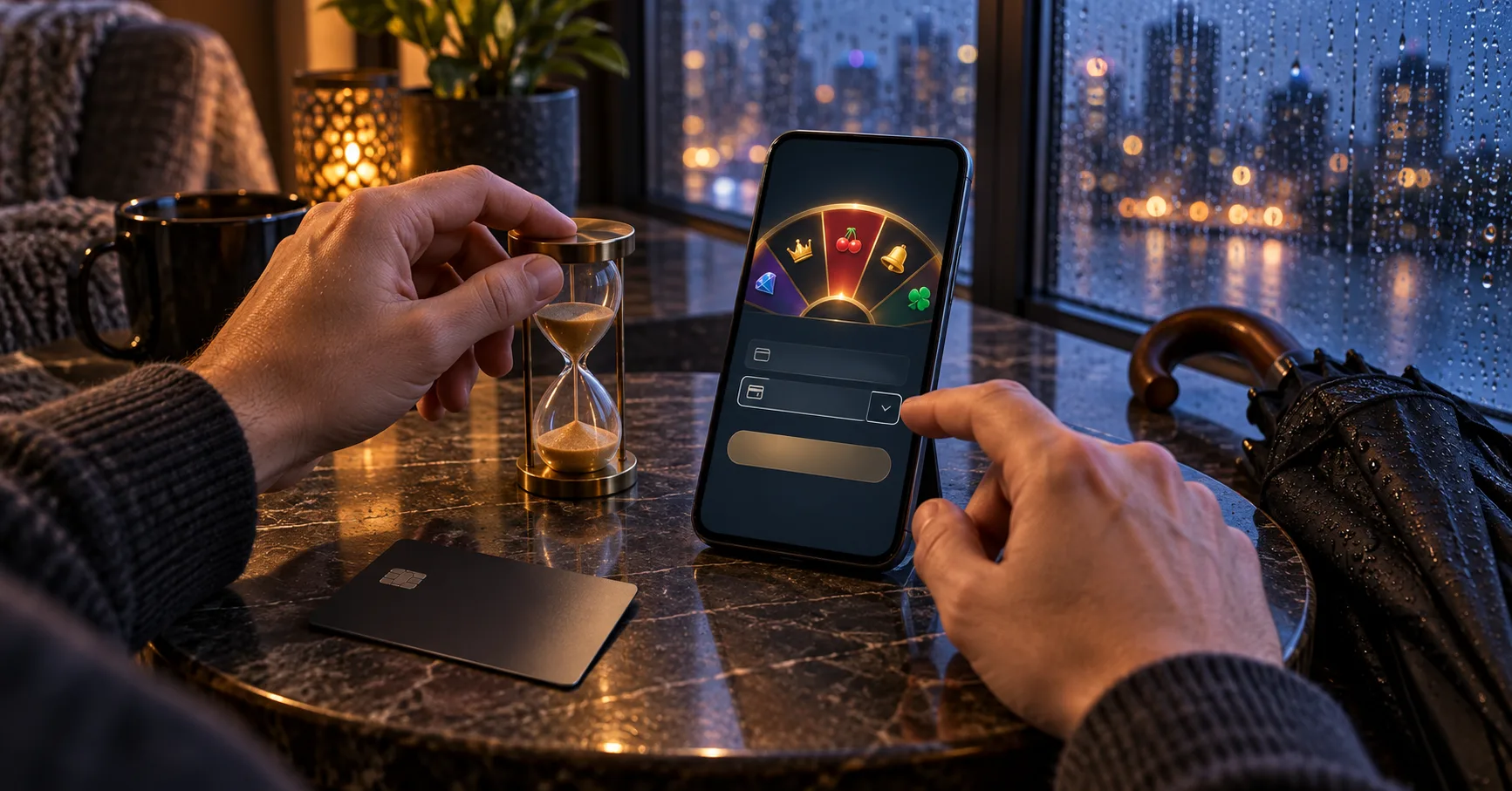
On 26 September 2026, a heavy-rain forecast for Metro Manila and parts of Luzon was the current advisory following a Friday report by Inquirer News.
For a Wheel player using mobile data, the forecast matters only if weather affects the connection or the trip to a payment centre. It does not establish that GCash, Maya or any game payment system is delayed. A player who already has a usable balance may see no change at all. Someone trying to cash in during a brief break has less room to recover if a payment screen stalls, a confirmation arrives late or travel becomes inconvenient.
The practical response is to check the connection and the available balance before opening Wheel, then allow time to confirm any new cash-in. If the payment status is unclear, keep the transaction reference and wait for a clear result before paying again. As of 26 September 2026: this advice responds to that forecast; local conditions may have changed after 3 October 2026.
Which players need a funding buffer?
The player most exposed to a timing problem is the one with no playable balance, one phone, mobile data and only a few minutes free. That describes a commute break or a pause between weekend errands better than a planned evening at home. If the signal drops during a GCash or Maya handoff, the player may have to determine whether money moved before deciding what to do next.
A player with a stable connection and an already funded account faces a different decision: whether to play within the existing limit. Someone who can return later also has time to resolve an uncertain cash-in. Neither person needs to assume that a rain forecast changes Wheel itself. The relevant question is whether a new payment must be completed inside the available session window.
Payment centres create another distinction. A player intending to hand over cash may need to travel, while a player with enough money in GCash or Maya can start the payment from a phone. The available routes and their minimums depend on what the chosen account actually displays. A route that worked last weekend may have a different prompt or limit today, so the current screen is the useful reference.
Follow the payment path shown on your phone
For mobile-only play, treat the cash-in as a separate task from Wheel. The game should wait until the account shows a usable balance. These checks work whether the available route opens GCash, Maya or another supported payment screen:
Open the account’s current cash-in page and confirm that GCash or Maya is offered for this transaction before entering an amount.
Read the displayed minimum, maximum and any charge, then compare the total payment with the money you intended to spend.
Check the receiving details and amount on the wallet confirmation screen before approving, especially after switching between apps on mobile data.
Return to the account after approval and check its transaction record and usable balance; a wallet debit alone does not confirm Wheel funds are ready.
Save the transaction reference and status if either screen remains pending, so you can describe one payment accurately if support is needed.
App switching is an easy point of confusion during a short break. A wallet may show that an instruction was accepted while the account still shows a pending cash-in. Those are different observations, and neither calls for an immediate second payment. If the phone loses data, reconnect and inspect both records before deciding whether anything remains to be done.
Make the amount fit the minutes available
Minimums matter because a small Wheel session may be shorter than the amount required to fund it. Imagine you have PHP 500 set aside for the weekend and only ten minutes free now. Suppose, purely as an example, a cash-in screen shows a PHP 200 minimum and a PHP 10 charge. Paying PHP 200 would use PHP 210 of that PHP 500 budget, leaving PHP 290 outside the transaction. These are sample figures, not terms of a real offer.
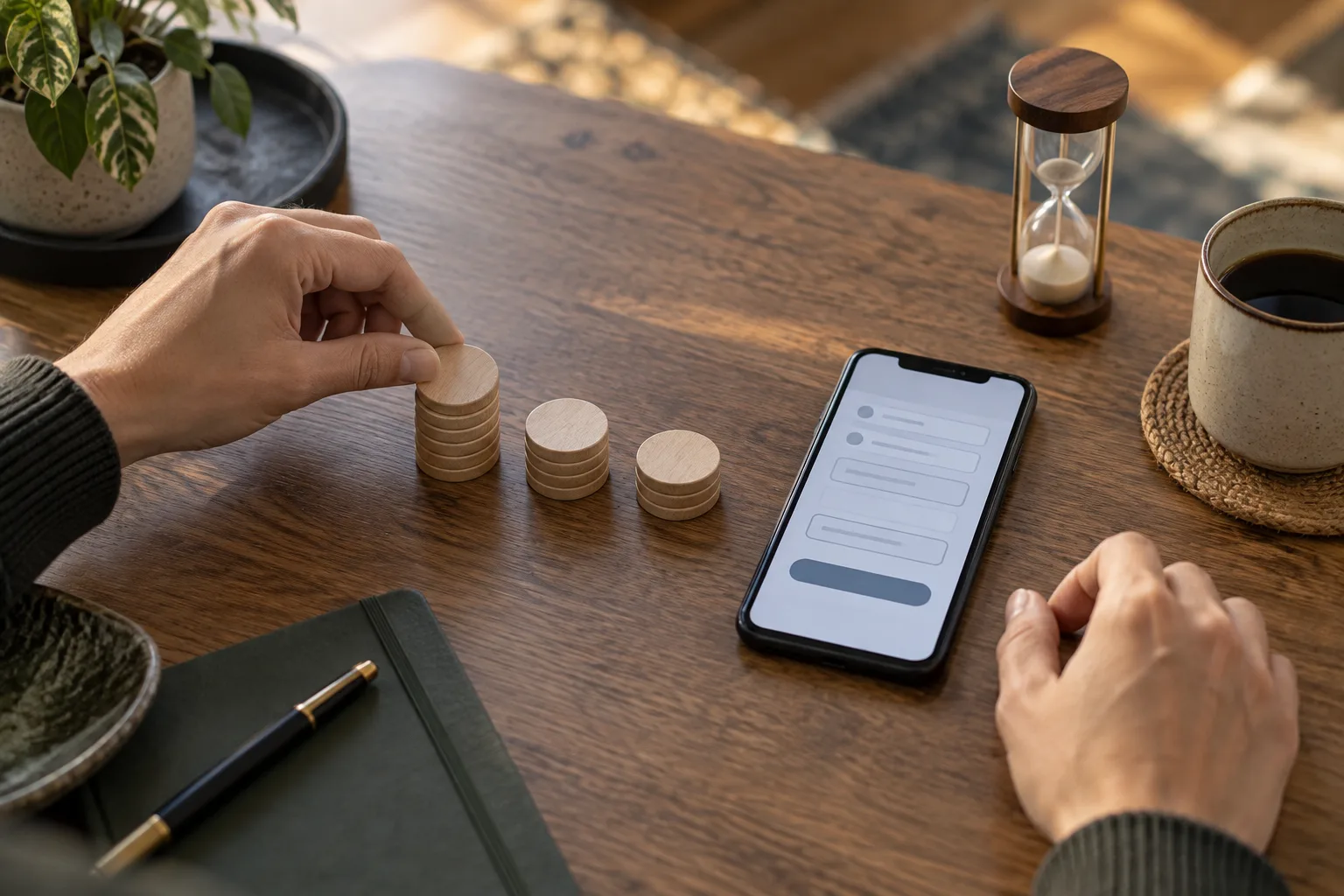
Now imagine the same player instead tries PHP 500 on a screen with that illustrative PHP 10 charge. The total would be PHP 510, beyond the planned PHP 500. The useful calculation happens before approval: amount to be credited plus any displayed charge must fit the wallet balance and the personal spending limit. Do not infer a fee from this example; use the figure, if any, shown for the actual route.
A five-minute break also has a time cost. If you spend four minutes moving between the account and Maya, one minute remains for Wheel even when the transfer succeeds. If the transfer is pending, the sensible session may be no session at all. A longer break later can be more useful than rushing a second cash-in while the first remains unresolved.
Keep cash and promotional balances separate in this calculation. An account might display Free Credits alongside money you deposited, but the display alone does not tell you which balance a Wheel wager would use. If a Bonus applies, read its conditions before counting it as part of a cash budget. A promotional balance cannot repair an unclear wallet transaction.
Three different clocks appear during one cash-in
Players often ask how long a GCash or Maya deposit takes, but the answer depends on which event they mean. No processing time for a particular Wheel account is supplied here. More useful than a promised number of minutes is knowing which status to inspect at each stage:
The wallet clock covers approval and debit; a completed wallet screen tells you what happened there, not what the game account received.
The account clock covers whether the cash-in appears in its payment history and whether the balance becomes usable for Wheel.
The session clock is your own deadline, such as a ten-minute break that may end while a payment is still pending.
The cash-out clock begins with a separate request and may have different checks, limits and payment routes from the original cash-in.
These clocks explain why a payment can feel late without proving that money is lost. If a wallet records the debit at 6:40 p.m. and the account still shows pending at 6:45 p.m., the five-minute gap is a fact to report. It is not evidence of a universal five-minute limit. Note the displayed times and statuses instead of estimating them from memory.
Cash-out deserves its own check before play, especially if a player expects to use the money soon after a weekend session. The deposit route does not guarantee an identical withdrawal route, minimum or completion time. Read the account’s current cash-out screen while there is still time to choose whether funding Wheel makes sense today.
If the wallet shows a debit but Wheel shows no funds
This is the moment when short-session pressure causes avoidable mistakes. A second tap can create a second transaction, and closing the app can make the first result harder to reconstruct. Use the evidence already on the phone, even if the Wheel session must wait:
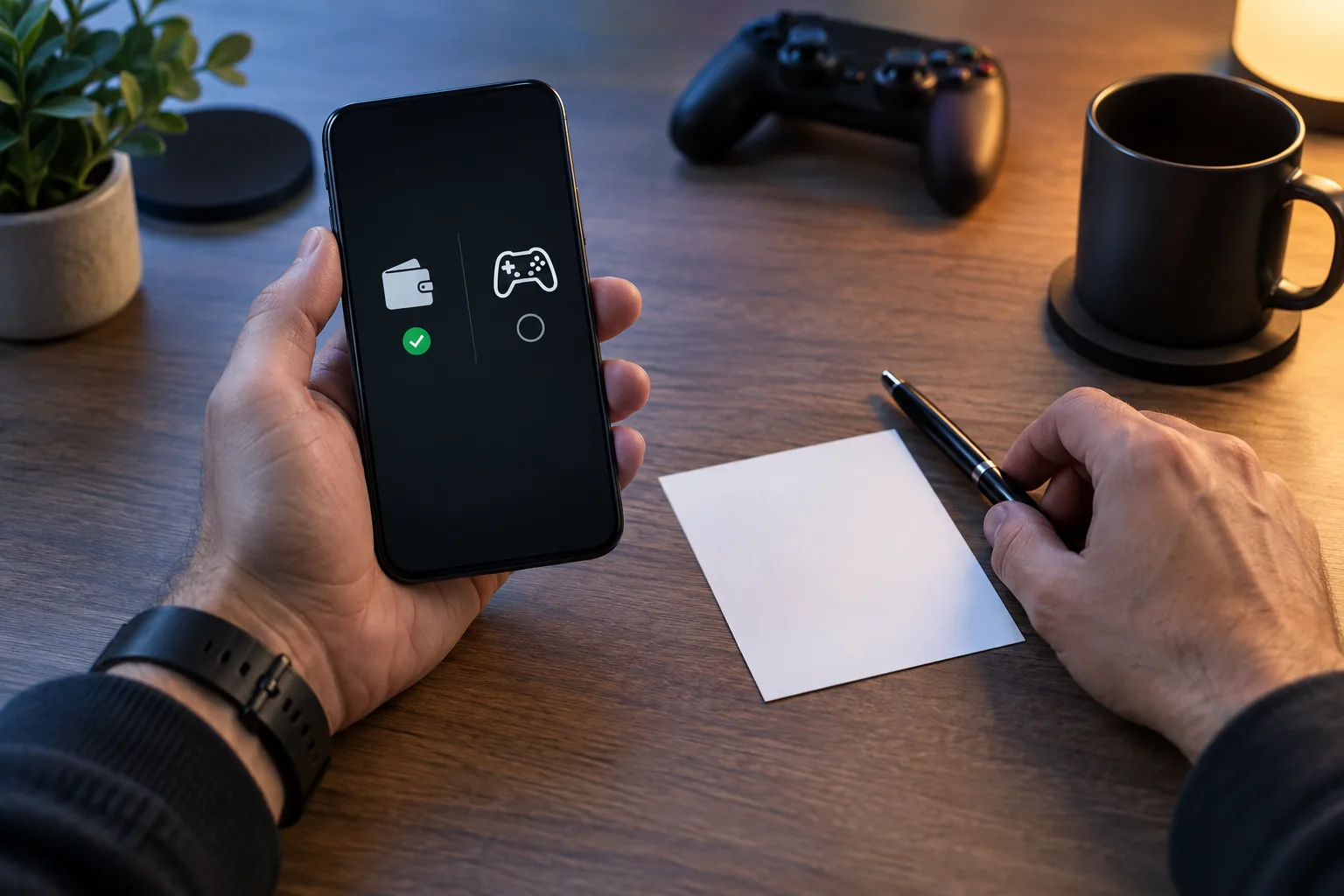
Check the GCash or Maya activity entry for the exact amount, time, reference and current status of the attempted payment.
Check the account’s cash-in history for a matching entry, including pending or failed states, before relying on the lobby balance.
Take screenshots of both status screens while they are available, keeping personal details out of anything shared publicly.
Reconnect on stable data and refresh the account once, then look again for a changed status rather than starting another cash-in.
If the records remain inconsistent, contact the support channel shown in the account and provide the reference, amount and observed statuses.
A failed entry and a pending entry call for different follow-up, so preserve the wording shown on each screen. If the wallet says no debit occurred, verify that before trying a fresh payment. If it says money moved, give the account record and support process a chance to identify that transaction. The reference is more useful than a general statement that Wheel did not load.
A weak signal can also leave a Wheel round or balance view looking stale after funding succeeds. Do not use the visual state of a spinning game as the payment record. Check the transaction history and available balance separately, then return to the game only when those screens agree. This matters most for someone whose break is nearly over.
Keep the session within its original limit
Rain or no rain, a player funding Wheel through GCash or Maya benefits from a limit set before the payment prompt opens. Say the plan is PHP 300 for a Saturday break: the relevant question is whether the displayed minimum, any charge and the available time all fit that plan. A PHP 500 minimum in this hypothetical case would be a reason to postpone, not a reason to enlarge the budget.
The Philippine weekend and the start of the Christmas season can make short breaks feel scarce. That does not make a pending payment urgent. Players with an existing balance and reliable data can judge the game session on its own terms; players who still need to move money should finish the cash-in check first. When the status is uncertain, keeping the remaining time and money available is a concrete choice.